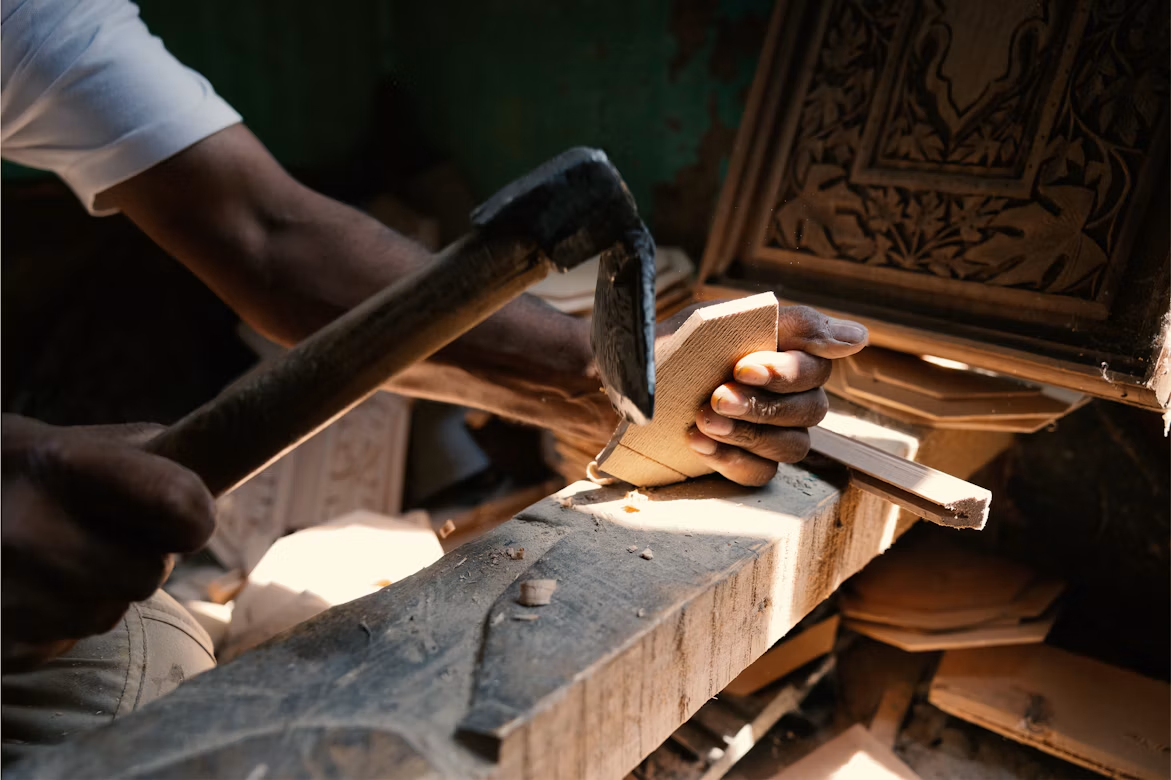
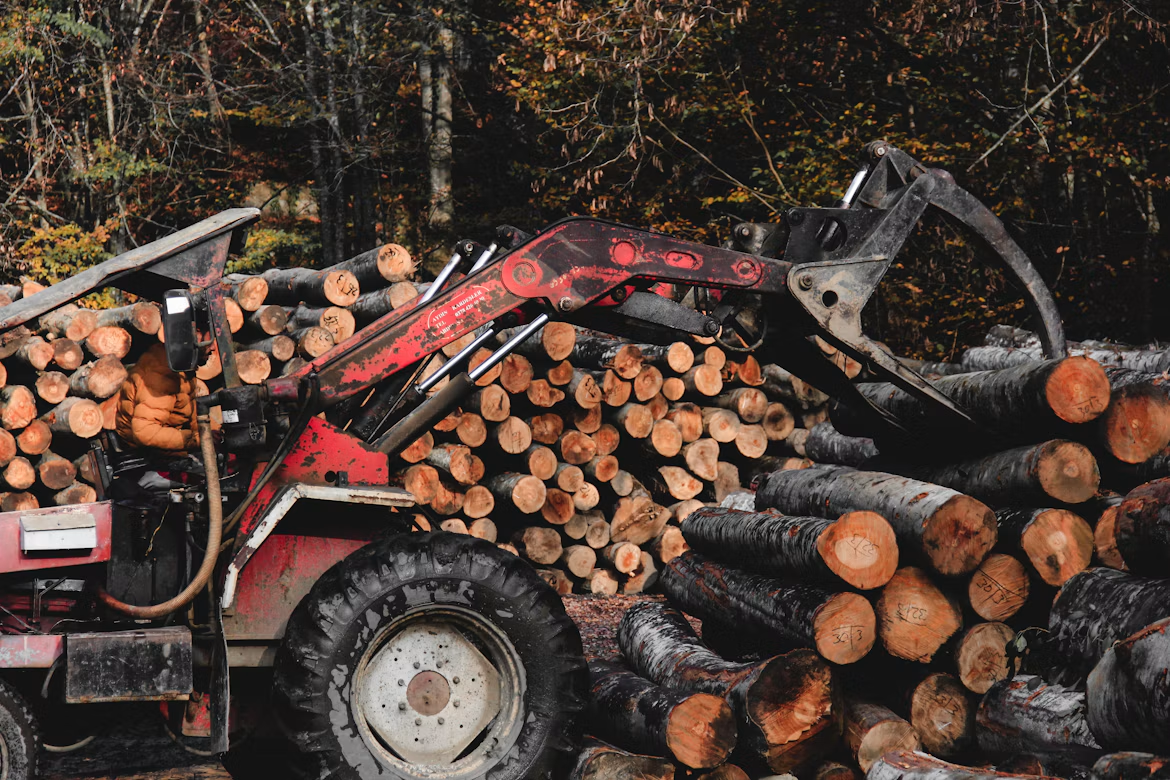
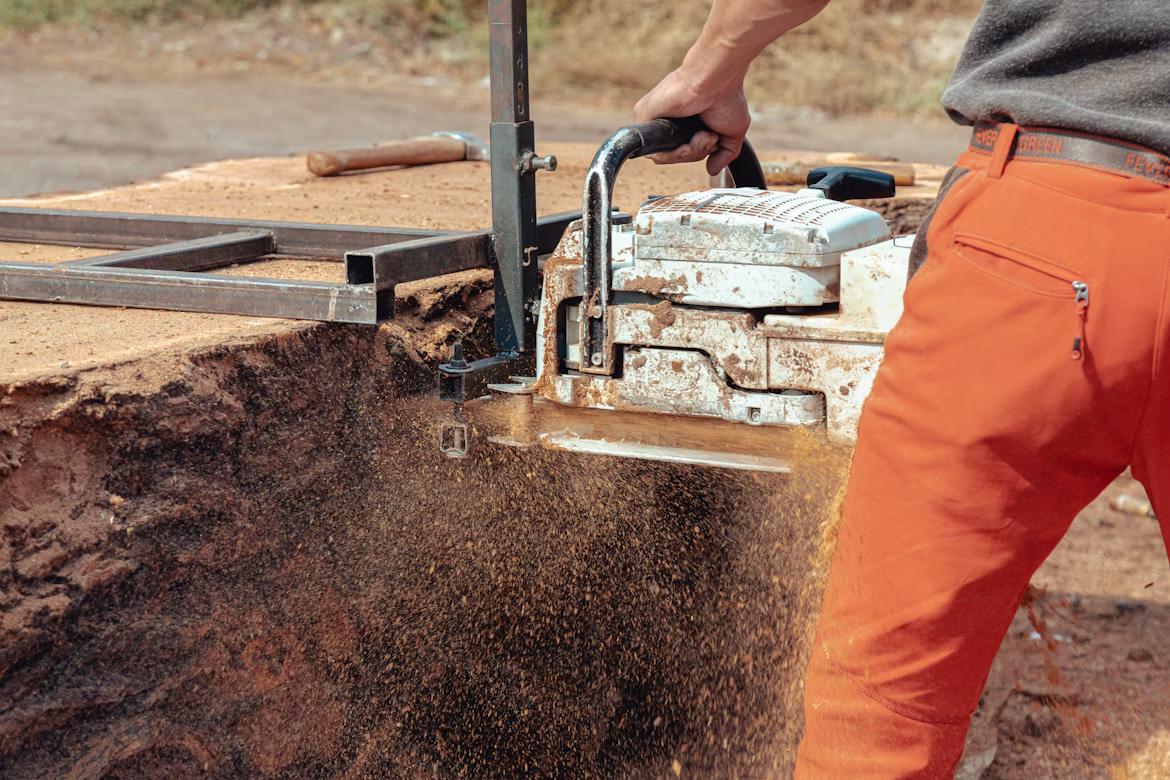
The wood production industry plays a vital role in society, contributing significantly to economic development while influencing environmental sustainability.
Responsible Wood Production, Sustainable Practices, and Innovation
Contact Information
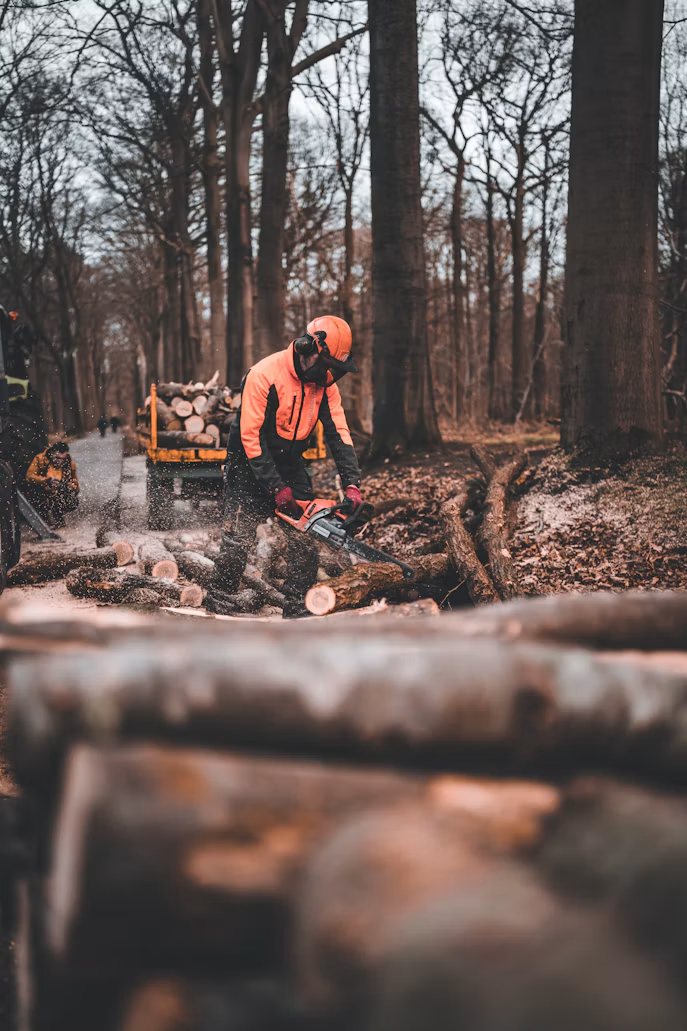
More About Our Work
Wood production is a vital industry encompassing the cultivation, harvesting, processing, and utilization of timber for a wide range of applications. It plays a significant role in supporting various economic sectors, including construction, furniture manufacturing, paper production, and renewable energy.
1.8M
Made of Wood
2M
Cubic Meters of Log
23K
Satisfied Customers
40+
Years of Experience
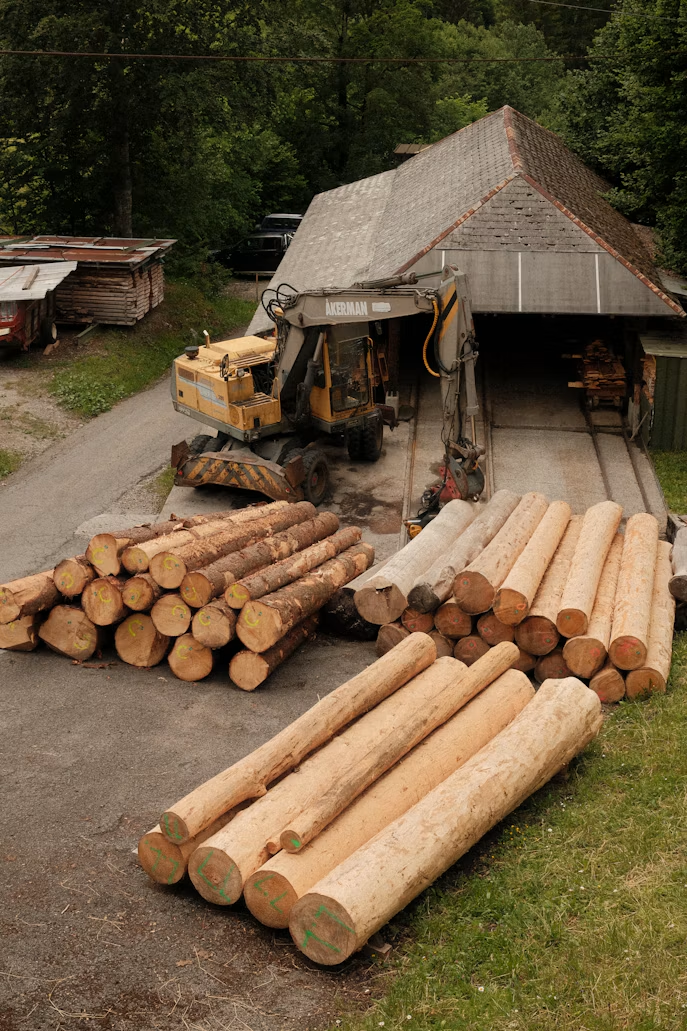
The Timber Industry: Exploring Responsible Wood Production, Sustainable Practices, and Innovation
What We Do
Timber is an essential natural resource that contributes to a broad range of industrial and commercial activities. From forest management and timber extraction to manufacturing and end-product development, the industry provides valuable raw materials for numerous applications, particularly in building and construction, furniture production, paper manufacturing, and renewable energy.
Plywood Manufacturing
Delivering quality-engineered plywood solutions for multiple applications through consistent manufacturing standards and comprehensive quality control.
Veneer Manufacturing
Manufacturing premium wood veneer sheets through carefully controlled peeling, drying, and quality classification procedures.
Custom Milling
Delivering precision-crafted wood products through customized milling solutions tailored to specific dimensions, applications, and customer requirements.
Finishing and Coating
Enhance the appearance and durability of wood products with our selection of environmentally conscious coating solutions.
Our Projects
The timber sector continues to evolve through the integration of proven production techniques, sustainable resource management, and technological advancements, reflecting its ongoing commitment to efficiency, quality, and environmental responsibility.



Frequently Asked Questions
Sustainable forestry focuses on maintaining and managing forest resources responsibly while considering environmental protection, community interests, and economic development. Within the wood manufacturing industry, these practices help preserve natural ecosystems, protect biodiversity, and ensure a continuous supply of timber for future generations.
Reclaimed timber is obtained from previously used materials, including old buildings and other wooden structures. Incorporating these materials into manufacturing reduces reliance on newly harvested timber, limits material waste, and encourages more efficient resource utilization.
Recognized certification systems, such as the Forest Stewardship Council (FSC), provide assurance that timber originates from responsibly managed forest resources. These standards help businesses and consumers identify sustainable wood products while encouraging greater transparency and accountability throughout the supply chain.
Wood biomass utilizes residual materials from timber processing, including sawdust, wood chips, and other organic by-products, as potential sources of renewable energy. This approach promotes better resource efficiency, reduces production waste, and offers an alternative to conventional energy sources.
What Our Clients Say

Guy Hawkins
"The industry's commitment to sustainability is evident, with responsible forestry practices ensuring that the wood used in my projects is sourced ethically and with consideration for environmental impact."
Stive Rob
"I appreciate the industry's embrace of technology to enhance efficiency and reduce waste. Modern advancements in wood processing have not only improved the quality of the final products but also contribute to a more environmentally friendly approach."
LATEST UPDATES
The wood manufacturing industry continues to evolve through research, innovation, and advancements in production practices.